
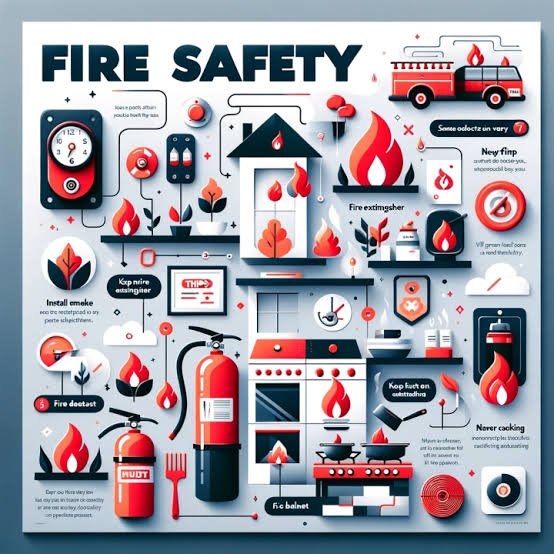
Fire safety is often surrounded by advice that sounds reasonable but is not always accurate. Families may hear different opinions about smoke alarms, electrical fires, escape routes, fire extinguishers, cooking fires, and emergency evacuation. When these ideas are repeated over time, they can become common myths.
The problem with fire-safety myths is that they can create a false sense of security. A homeowner may believe that a fire is unlikely to spread quickly, that a single extinguisher is enough for every situation, or that an alarm does not need regular maintenance.
For families in Pakistan, understanding the difference between common myths and practical fire-safety principles is an important part of preparedness. Pakistan Engineering Council lists the Building Code of Pakistan Fire Safety Provisions 2016 among its published building codes and standards. These provisions address areas such as fire detection, alarms, means of egress, maintenance, and other aspects of fire protection.
This guide explains common fire-safety myths in simple language and provides homeowners with practical information for creating a safer home.
Why Fire Safety Myths Can Be Dangerous
A myth does not always sound obviously wrong.
For example, someone might think that a small amount of smoke is harmless or that a fire alarm only needs attention when it starts making noise. Another person might assume that a fire can always be handled before it becomes serious.
These assumptions can delay the right response.
Fire safety is based on preparation, early warning, prevention, safe evacuation, and appropriate emergency assistance. No single device or action can provide complete protection.
The best approach is therefore to understand what fire-safety equipment does, what it cannot do, and when people should leave a building rather than attempting to deal with a fire themselves.
Myth 1: A Fire Cannot Spread Quickly Inside a Home
Some people believe that a small household fire will remain in the same place for a long time.
In reality, fire conditions can change rapidly depending on the materials involved, ventilation, room layout, and other factors.
Modern homes contain furniture, fabrics, plastics, electrical equipment, packaging, and other combustible materials. Once a fire develops, smoke and heat can make conditions dangerous.
This is why early warning matters.
A smoke alarm can alert occupants to a developing fire before they personally notice flames. The Building Code of Pakistan Fire Safety Provisions includes provisions for smoke alarms in certain residential and residential-care occupancies, with requirements depending on the occupancy type.
The important lesson is not to assume that a fire will remain small simply because it starts that way.
Myth 2: You Only Need a Smoke Alarm in the Kitchen
Cooking is an important source of potential fire risk, but the kitchen is not the only area where a fire can begin.
Electrical equipment, heating devices, bedrooms, living areas, garages, storage spaces, and other parts of a home may contain potential ignition sources or combustible materials.
Smoke-alarm placement should therefore be based on the home’s design and applicable requirements rather than the assumption that the kitchen is the only important location.
The Building Code includes provisions for smoke alarms in specific residential occupancies, including locations such as sleeping rooms and areas outside sleeping areas, depending on the applicable occupancy requirements.
Homeowners should follow the manufacturer’s installation guidance and any applicable local requirements.
Myth 3: If an Alarm Is Installed, It Never Needs Maintenance
Installing a smoke alarm or fire alarm system is an important step, but it is not the end of fire safety.
Like other safety equipment, alarms can develop problems. Batteries can become depleted, devices can become dirty, components can become damaged, and systems can develop faults.
Flame Defender’s fire-equipment maintenance guidance notes that smoke alarms should be regularly checked for power, damage, faults, and other maintenance concerns, with testing and replacement carried out according to manufacturer instructions.
A simple maintenance habit can therefore include checking that alarms are powered, testing them according to their instructions, and responding promptly to fault or low-battery warnings.
A fire alarm system should never be disabled simply because its warning sound is inconvenient.
Myth 4: A Fire Alarm Prevents Fires
A fire alarm is primarily a detection and warning device.
It can alert occupants to a fire condition, but it does not normally prevent the fire from starting.
Fire prevention requires attention to hazards such as damaged electrical equipment, unsafe cooking practices, combustible storage, heating equipment, and other potential ignition sources.
A complete home safety strategy can therefore be thought of as several layers:
Prevent → Detect → Alert → Evacuate → Get professional help.
A properly selected and maintained fire alarm system in Pakistan can provide an important early-warning layer, but it should work together with prevention, maintenance, and an emergency plan.
Myth 5: Every Fire Can Be Put Out With an Extinguisher
A fire extinguisher can be useful for certain small fires when the equipment is appropriate and the situation is safe.
However, an extinguisher is not a guarantee that every fire can or should be tackled by a homeowner.
A fire can grow, produce dangerous smoke, or block an escape route unexpectedly.
Personal safety should always come first. If a fire is growing, smoke is heavy, an escape route is threatened, or someone is unsure what to do, leaving the building and contacting professional emergency services is more important than attempting to fight the fire.
Fire safety equipment should be considered part of a larger protection plan rather than a substitute for evacuation.
Myth 6: Smoke Is Only Dangerous When It Is Very Thick
Some people think that smoke becomes dangerous only when visibility is almost completely blocked.
That is not a safe assumption.
Smoke from a fire can contain hazardous substances, and it can interfere with breathing and visibility. It can also make it harder for occupants to find their way out.
This is another reason why early detection and evacuation are important.
If smoke is present, people should not assume that conditions are safe simply because they can still see through it.
Myth 7: You Can Always Return Inside for Important Items
During an emergency, people may be tempted to retrieve phones, wallets, documents, medication, pets, or other belongings.
However, returning to a building after evacuation can expose someone to changing fire and smoke conditions.
Once a person has safely left, they should follow emergency instructions and avoid going back inside unless emergency responders specifically indicate that it is safe and appropriate.
A fire escape plan should encourage people to prioritise life safety over property.
Myth 8: Children Will Automatically Know What to Do
Children may not understand what a fire alarm means or how quickly they should respond.
Some may become frightened, hide, or wait for an adult to explain what is happening.
Age-appropriate fire-safety education can help children understand basic actions.
Families can teach children:
- What a smoke alarm sounds like
- That an alarm should always be taken seriously
- Where the family’s meeting point is
- Which adults they should follow during an emergency
- Why they should not hide during evacuation
- Why they should not return inside after leaving
Flame Defender’s home fire-safety guidance also emphasises family education, evacuation planning, and age-appropriate fire-safety awareness.
The goal should be calm preparation rather than frightening children.
Myth 9: You Only Need One Way Out
A homeowner may know the main entrance so well that alternative escape routes are forgotten.
However, the main route may not always be available during an emergency.
A good family plan should identify appropriate primary and alternative ways out, depending on the home’s layout.
Everyone in the household should know these routes.
The Building Code of Pakistan treats means of egress as an important part of fire safety and describes an egress route as a continuous path toward a place of safety.
Escape routes should also remain clear and accessible.
Myth 10: Windows Are Always a Safe Escape Route
Windows may provide an emergency option in some building designs, but homeowners should not assume that every window is a suitable escape route.
Factors such as height, accessibility, window design, outside conditions, and the building’s approved safety arrangements matter.
A safer approach is to identify designated exits and follow the home’s established emergency plan.
For multi-storey homes, families should obtain appropriate professional advice about escape arrangements rather than improvising during an emergency.
Myth 11: A Fire Extinguisher Lasts Forever
Fire extinguishers may remain unused for years, which can create the impression that they require no attention.
In reality, fire equipment needs appropriate inspection and maintenance.
Flame Defender’s maintenance guidance notes that extinguishers can experience issues such as pressure loss, corrosion, damage, or other conditions that affect readiness.
Homeowners should follow the manufacturer’s instructions and applicable servicing requirements.
An extinguisher should also remain accessible and should not be hidden behind furniture or stored where it cannot be reached quickly.
Myth 12: Electrical Fires Are Always Easy to Recognise
Electrical problems do not always begin with visible flames.
Warning signs can include:
- Burning smells
- Sparks
- Unusual heat
- Damaged cables
- Repeated electrical faults
- Discoloured sockets
- Unusual sounds from equipment
These signs should not be ignored.
Electrical work and repairs should be handled by appropriately qualified professionals. Homeowners should not attempt unsafe electrical repairs simply because a device appears to be functioning.
The Pakistan Engineering Council also lists the Pakistan Electric and Telecommunication Safety Code among its published safety codes and standards.
Myth 13: Power Outages Automatically Make a Home Safer
A power outage may switch off some electrical equipment, but it does not automatically remove all fire hazards.
Battery-powered devices, generators, cooking equipment, candles, alternative lighting, and other sources can still create risks.
During power interruptions, families should follow safe practices and avoid introducing unnecessary ignition sources.
If a generator is used, it should be operated according to the manufacturer’s safety requirements and in an appropriate location with adequate ventilation.
Myth 14: A Fire Alarm System Is Only for Large Buildings
Fire detection and alarm needs vary according to building type, occupancy, size, and applicable requirements.
Some homes may use individual smoke alarms, while larger residential properties or buildings with different occupancy characteristics may require more comprehensive fire alarm arrangements.
Pakistan’s Building Code contains specific provisions for smoke alarms and fire alarm systems in certain residential occupancies.
Therefore, homeowners should not assume that every property requires exactly the same system.
For larger homes, apartment buildings, or properties with more complex layouts, professional assessment can help determine suitable arrangements.
Myth 15: False Alarms Should Be Solved by Disconnecting the Alarm
Repeated false alarms can be frustrating.
However, simply disconnecting or disabling the alarm removes an important safety layer.
Repeated unwanted alarms should instead be investigated to identify the underlying cause.
Possible causes can include unsuitable detector placement, environmental conditions, equipment faults, contamination, or other technical issues.
A qualified professional can assess the system and determine the appropriate corrective action.
The objective is to have an alarm system that occupants can trust when a genuine emergency occurs.
Myth 16: Fire Safety Is Only Important During Summer
Fire risks exist throughout the year.
Different seasons may create different hazards. Summer can involve heat-related electrical concerns, while winter can increase the use of heaters and other heating equipment.
Cooking, electrical faults, gas appliances, candles, generators, and other potential hazards are not limited to one season.
Homeowners should therefore maintain basic fire-safety habits throughout the year.
Myth 17: A Fire Escape Plan Is Only Necessary for Large Homes
Every household can benefit from basic evacuation planning.
The plan does not need to be complicated.
A family can identify:
- Main exits
- Alternative exits
- A safe outdoor meeting point
- Adults responsible for helping younger children
- People who may need additional assistance
- Emergency contact information
Everyone should understand the plan.
It should also be reviewed when the home’s layout or household circumstances change.
Myth 18: Fire Safety Is Only the Homeowner’s Responsibility
Everyone who lives in a home has a role in safety, although children should receive age-appropriate responsibilities and should not be expected to handle dangerous situations.
Adults can inspect hazards, maintain equipment, arrange professional services, and establish evacuation plans.
Children can learn simple safety rules, such as taking alarms seriously, avoiding dangerous fire sources, and going to the family meeting point during an evacuation.
Creating a shared safety culture makes fire preparedness easier to remember.
Myth 19: Having Fire Equipment Means the Home Is Fully Protected
Equipment is important, but it is only one part of fire safety.
A safer home combines:
- Fire prevention
- Smoke detection
- Alarm systems where appropriate
- Maintained equipment
- Safe electrical practices
- Kitchen safety
- Clear escape routes
- Family education
- Emergency planning
Flame Defender’s fire-safety checklist guidance similarly describes fire protection as a combination of equipment, escape routes, emergency plans, maintenance, and occupant awareness rather than relying on a single device.
This layered approach is important because no individual safety measure can address every possible fire risk.
Myth 20: Fire Safety Can Be Checked Once and Forgotten
Fire safety changes over time.
A family may buy new electrical appliances, rearrange furniture, renovate rooms, add a new floor, install a generator, or change the number of people living in the house.
These changes can affect the home’s safety arrangements.
Fire alarms and other protective equipment can also age or require maintenance.
For this reason, homeowners should periodically review their fire-safety arrangements and update them when circumstances change.
A Simple Home Fire Safety Checklist
Homeowners can use the following questions as a basic starting point:
Smoke and Fire Detection
- Are smoke alarms installed where appropriate?
- Are they powered and tested according to manufacturer instructions?
- Are warning or fault indicators being addressed?
- Are devices visibly undamaged?
Electrical Safety
- Are damaged cables replaced or professionally repaired?
- Are unusual smells, sparks, or overheating investigated?
- Are electrical appliances used according to their instructions?
Kitchen Safety
- Are cooking areas kept organised?
- Are combustible materials kept appropriately away from heat sources?
- Are appliances maintained?
Escape Planning
- Does everyone know the main exit?
- Is an alternative route known where appropriate?
- Is the meeting point outside the home understood?
- Are routes kept clear?
Fire Equipment
- Are suitable extinguishers available where appropriate?
- Are they accessible?
- Are they maintained according to applicable requirements?
Family Awareness
- Do children understand what a fire alarm means?
- Does everyone know not to return inside after evacuation?
- Does the family know how to contact emergency services?
The Role of a Fire Alarm System in Pakistan
A suitable fire alarm system in Pakistan can be an important component of a broader home or building safety strategy.
The appropriate arrangement depends on the property’s characteristics. Factors can include building size, layout, occupancy, potential fire hazards, alarm coverage, and applicable requirements.
Flame Defender provides fire alarm installation and related services for residential, commercial, and industrial properties in Pakistan, including conventional and addressable systems.
However, homeowners should remember that an alarm is one layer of protection. It works best when combined with prevention, maintenance, clear escape routes, and a family emergency plan.
How to Choose Reliable Fire Safety Information
Because fire safety advice is widely shared online and through social media, homeowners may encounter conflicting recommendations.
When information involves building requirements, alarm systems, electrical safety, or specialist equipment, it is better to consult recognised authorities, applicable codes, manufacturers, and qualified professionals.
Pakistan Engineering Council identifies the Building Code of Pakistan Fire Safety Provisions 2016 as one of the country’s published building codes and standards.
For technical work, homeowners should use appropriately qualified and authorised professionals rather than relying on unverified online advice.
Conclusion
Fire-safety myths can create unnecessary confidence or confusion. A home is safer when families understand what alarms, extinguishers, escape plans, and prevention measures can actually do.
The most important lessons are straightforward:
- Do not ignore smoke alarms.
- Maintain fire-safety equipment.
- Keep escape routes clear.
- Know more than one appropriate way out when possible.
- Take alarms seriously.
- Teach children simple, age-appropriate safety rules.
- Do not return to a burning building.
- Address electrical problems promptly.
- Seek professional help for specialist fire-safety equipment.
- Review the family’s fire plan when circumstances change.
A properly selected fire alarm system in Pakistan can provide valuable early warning, but no alarm can replace prevention, maintenance, evacuation planning, and responsible behaviour.
For professional fire alarm and fire-protection information in Pakistan, homeowners can learn more from Flame Defender.
The goal of fire safety is not to make families afraid of fire. It is to replace common myths with practical knowledge so that everyone knows how to prepare, recognise an emergency, and get to safety.
Frequently Asked Questions
1. What is the most common fire-safety myth?
One common misconception is that having a fire extinguisher or alarm automatically makes a home safe. In reality, effective fire safety combines prevention, early warning, maintained equipment, clear escape routes, and emergency planning.
2. Does every home need a fire alarm system?
Fire detection requirements can vary according to the property’s type, size, occupancy, and applicable requirements. Residential smoke alarms may be appropriate for many homes, while larger or more complex properties can require different arrangements.
3. Should a smoke alarm be installed only near the kitchen?
No. Fire can start in many areas of a home. Smoke-alarm placement should follow the manufacturer’s instructions and applicable requirements rather than assuming the kitchen is the only location that matters.
4. Should you go back inside after leaving a burning home?
No. Once you have safely evacuated, remain outside and follow instructions from emergency responders. Do not return for belongings or other items.
5. How can families improve fire safety at home?
Families can maintain smoke alarms, address electrical hazards, keep exits clear, prepare an evacuation plan, choose an outdoor meeting point, maintain appropriate fire equipment, and teach children simple, age-appropriate fire-safety rules.